Five years ago a language learner had a textbook a dictionary and perhaps a weekly class. Today the same learner can chat with an AI tutor at midnight practise pronunciation with a speech app during the commute and generate personalised flashcards from a favourite podcast. The toolbox has exploded. The question is no longer whether to use technology. It is how to use it without fooling yourself about your real progress.
This guide looks at the kinds of AI tools that help learners most and explains where their limits lie.
Many learners pay for several subscriptions and use only one. Independent roundups of language learning apps explain which tools teach speaking, vocabulary and grammar most effectively. Reading such a comparison before you pay can save money. The best tool is the one you will actually open every day.
>Conversation Partners That Never Get Tired
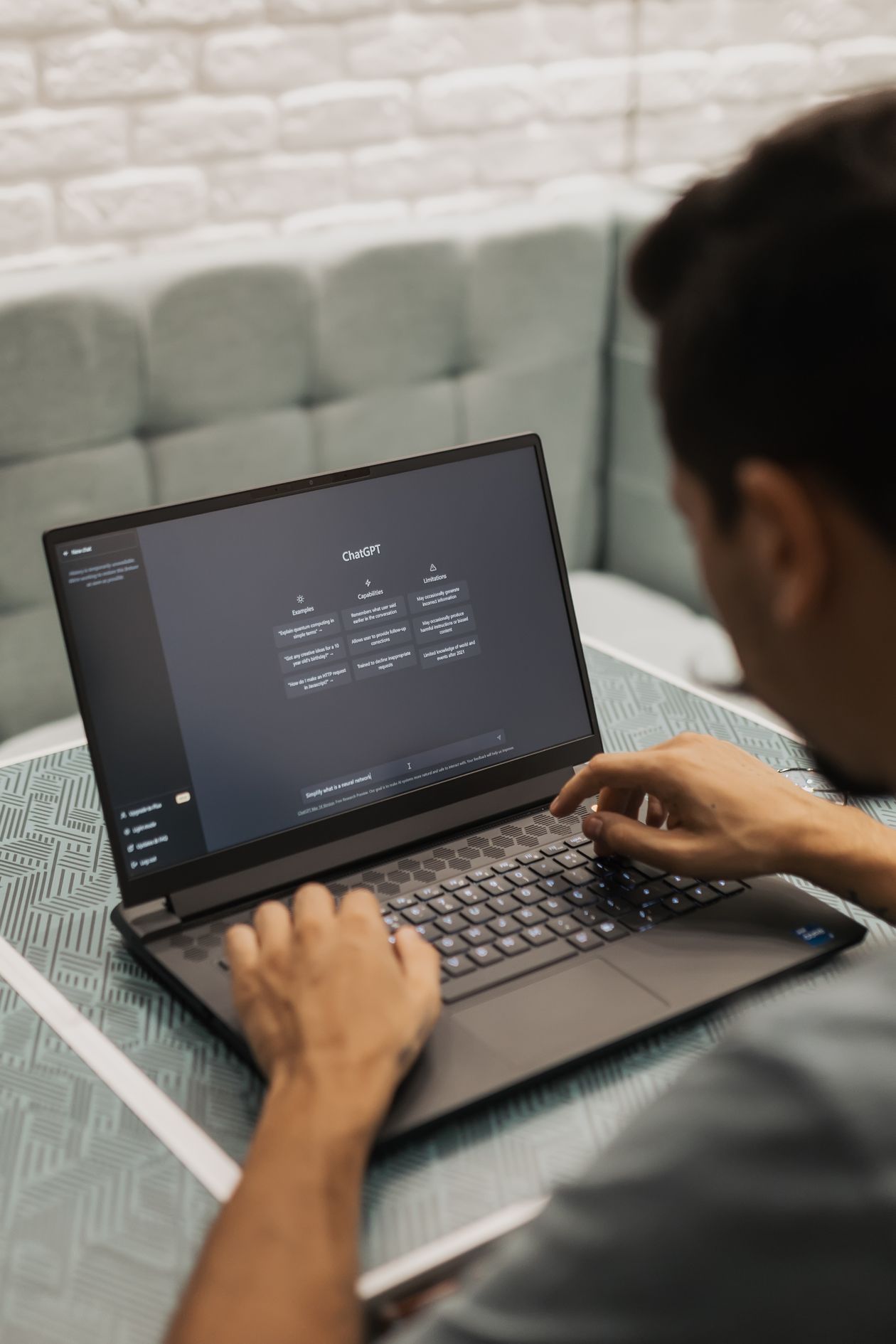
The biggest change comes from chatbots built on large language models. Learners can write or speak to them in almost any major language and receive instant replies. They can ask the bot to correct every mistake or to answer only in simple sentences or to play a role such as a shopkeeper or a job interviewer.
For shy learners this is a revelation. There is no fear of judgement and no need to book a teacher. You can practise the same conversation ten times until it feels natural. Many learners report that daily chat sessions help them move from passive understanding to active speaking.
Lists of the top ai tools for learners change almost every month as new products appear. Rather than chasing each new app focus on a few that match your goals. One tool for conversation. One for vocabulary. One for listening.
Smarter Vocabulary Practice
Spaced repetition has been around for decades. The idea is simple. You review words just before you are likely to forget them. AI now makes the method more personal. Apps can create flashcards from articles you read or videos you watch. They can generate example sentences at your level and add audio recorded by synthetic voices.
The result is vocabulary practice built around your interests rather than a generic list. A football fan learning Spanish can study words from match reports. A software developer learning German can focus on technical terms. Motivation stays higher when the content feels relevant.
Pronunciation Feedback
Speech recognition has improved dramatically. Several apps now listen to your pronunciation and highlight sounds you get wrong. Some show a visual comparison with a native speaker. For languages with difficult sounds such as the Arabic guttural consonants or the French nasal vowels or the Mandarin tones this feedback is valuable.
Keep your expectations realistic though. The software judges whether it can recognise what you said. That is not the same as sounding natural. A human teacher still notices rhythm and intonation and the small details that make speech sound native.
Where AI Falls Short
AI tools make mistakes. Chatbots sometimes invent grammar rules or accept incorrect sentences. They may mix regional varieties without warning. A learner of Arabic might receive a reply that blends Modern Standard Arabic with Egyptian or Levantine dialect. For a beginner this is confusing.
Culture is another gap. Language is full of social rules. When to be formal. How to refuse politely. What topics to avoid. AI can explain these rules in general terms but it cannot replace real contact with people from the culture.
Finally there is the risk of dependence. Learners who let the app correct everything may stop noticing their own mistakes. Learners who translate every sentence with a tool may never develop the ability to think in the new language. Use AI as a coach not as a crutch.
Learning Is Not the Same as Translating
Many learners use AI translation to check their writing. This is helpful for practice. It becomes a problem when learners start trusting the same tools for important documents. A visa application or a rental contract or a medical report is not a homework exercise.
Arabic is a good example. It is written from right to left. It has several regional varieties. Official documents follow strict formats. Families and businesses that need legal or medical texts translated rely on arabic translation services staffed by qualified linguists because a single error can delay a visa or change the meaning of a contract.
The same principle applies to every language. Learning helps you communicate. Professional language translation services help you stay safe when accuracy matters. Knowing the difference is part of becoming a mature language user.
Privacy and Children
Many language apps collect voice recordings and chat histories. Before you sign up read how the company stores and uses this data. Some services use recordings to train their models. Others allow you to delete your history. Choose tools that respect your privacy especially if you discuss personal topics during practice.
Parents should take extra care. Children love talking to chatbots but not every tool is designed for young users. Look for apps with clear age policies and parental controls. Sit with younger children during their first sessions and check what the bot says. A friendly interface does not guarantee appropriate content.
Choosing Tools Without Wasting Money
Subscriptions add up quickly. Many learners pay for four or five apps and use only one. Try free versions first. Commit to one tool for a month before adding another. Cancel anything you have not opened for two weeks. The best tool is the one you actually use every day.
Read reviews from learners at your level. A tool loved by advanced students may frustrate a beginner. Independent directories that compare AI products can save hours of research.
Building a Balanced Routine
The most effective learners combine several sources. A structured course or teacher provides the backbone. AI tools add extra practice and instant feedback. Real conversations with native speakers bring the language to life. Books films podcasts and music supply the rich input that no app can fully replace.
A simple weekly plan might include three short AI conversation sessions two vocabulary reviews one lesson with a human tutor and daily listening. Track your progress with regular recordings of yourself speaking. Listening back after a few months is often the best motivation of all.
The Future of Learning Languages
Technology will keep improving. AI tutors will become more accurate and more personal. Speech tools will sound more natural. Some people argue that instant translation devices will make learning unnecessary. History suggests otherwise. People learn languages to connect and to understand and to belong. No device delivers that feeling. Use the tools to learn faster and then go out and use the language with real people.